
Reading, PA · Garage Door Service
Doors on Houses Built Before Insulation Rules: A Reading, PA Guide
Reading's housing stock runs 1938 to 2003, median year 1970 - most doors here predate real insulation standards. Here's what that means for your door.
- Repairs & new doors
- Springs & openers
- Serving 8 nearby communities
What to Look At First
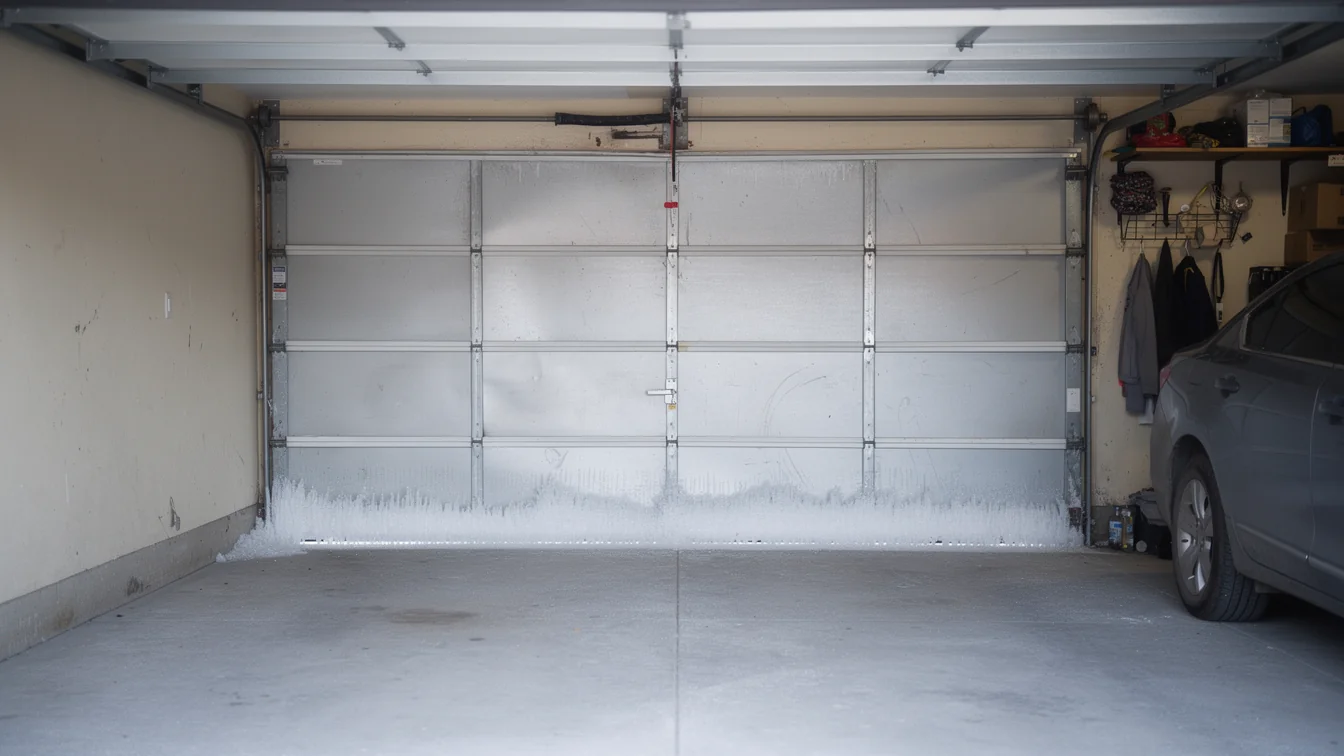
Reading's housing stock dates mostly to 1938 through 2003, with the median build year sitting at 1970, and across the 58 named areas that make up this service territory, the bulk of that stock is 1960s and 70s construction. That matters because a door built or installed in that era went in before anyone was writing insulation standards into residential garage doors. If your house falls in that window, start by checking the door panel itself. Run your hand along the inside face. If it's a single layer of steel or wood with no backing, you've got a door from before insulation was a design consideration, not an afterthought.
Next look at the bottom seal and the weatherstripping along the sides. On a door this old, the seal has usually hardened and cracked, which means cold air is getting under the door whether the panel itself is insulated or not. Check the panel seams too - on steel doors from this period, the seams were often just crimped, not sealed, and that's a second gap you're paying to heat. None of this is a judgment on the house. It's just what building a garage in 1965 looked like.
The Situation
Reading sits in a climate band classified as cold and severe, which means the gap between an insulated door and an uninsulated one isn't cosmetic here - it shows up on the heating bill and in how the garage itself behaves in January. A single-layer door from the 1960s or 70s stock that makes up most of this area was never designed to hold a temperature differential. It was designed to keep weather and animals out, full stop.
What that looks like in practice: condensation forming on the inside of the panel on cold mornings, a garage that sits 15 to 20 degrees colder than it would with a modern door, and in homes where the garage shares a wall with living space, a noticeably colder room on the other side of that wall. None of this means the door is failing structurally. A 50-year-old steel panel can still run smooth on its track if the hardware's been kept up. It just means the door was never built to the standard a newer one is.
When to Get Help
If your door is original to a house built in that 1938 to 2003 window and you're seeing rust at the bottom panel, a track that's pulled away from the jamb, or a spring that's visibly stretched or gapped, that's a call-us situation, not a weekend-project one. Torsion springs on doors this old are often undersized for a safe DIY swap, and replacement parts for some older residential panel styles are getting harder to source - that's a real limitation, and on some jobs we'll tell you straight that a full door replacement is the more honest fix than chasing parts for a 1965 panel.
If the issue is just comfort - a cold garage, a drafty seal, condensation - that's a conversation worth having before you commit to full replacement. Sometimes a new bottom seal and weatherstripping closes most of the gap on an otherwise sound older door. We'll look at the actual panel and hardware before recommending which way to go, because on a door this old the right fix depends on what's underneath that outer skin.
What Local Conditions Do
Across this part of Pennsylvania - from Wyomissing and Hyde Park a couple miles out to Shillington, Sinking Spring, and the stretch of towns further along toward Fleetwood and Adamstown - the housing age pattern repeats: a lot of mid-century construction, a lot of original or near-original garage doors, and a climate that doesn't let an uninsulated panel coast through winter unnoticed. Cold-and-severe conditions mean freeze-thaw cycling on hardware, stiffer tracks on the coldest mornings, and seals that fail faster than they would somewhere milder.
With a median household income of $85,952 across the area's roughly 89,740 households, and 36,624 of those owner-occupied houses, a lot of homeowners here are weighing a straightforward question: patch the door that's been there since the Johnson administration, or put in one built to current standards. There's no single right answer - it depends on the specific door, the specific house, and what you're trying to fix. But the starting point is always the same: know how old the door actually is before you decide what it needs.
Frequently asked questions
How do I know if my garage door predates insulation standards?
If your house was built before the late 1970s or 80s - common across Reading's 1960s-70s housing stock - check the inside panel face. A single layer of steel or wood with no foam backing means it predates insulation becoming standard. Original hardware and a hardened bottom seal are other tells of an unmodified original door.
Is it worth insulating an old door instead of replacing it?
Sometimes. A new bottom seal and weatherstripping can close a lot of the draft on an otherwise sound older panel. But if the panel itself is single-layer steel with no way to add backing, insulating retrofit kits only go so far - at some point replacement is the more honest answer.
Why does my garage feel so much colder than the rest of the house in winter?
In Reading's cold-and-severe climate, an uninsulated original door from the area's common 1960s-70s building era won't hold a temperature differential. If the garage shares a wall with living space, that cold transfers through, which is why the room next to it often runs noticeably colder than the rest of the house.
Are parts for older garage doors still available?
It depends on the door. Some original panel styles and hardware from the 1960s and 70s are genuinely hard to source now. We'll check what you've got before promising a part is available - on some jobs, replacement ends up being the more realistic fix than waiting on discontinued parts.
Related garage door services in Reading
More garage door guides
Book garage door service in Reading
Call now or request a quote - tell us what the door is doing and where you are.